Roofing materials whether metal sheets, shingle tiles, or insulated sandwich panels are constantly exposed to harsh conditions during manufacturing, transport, installation, and even storage. Scratches, dents, UV exposure, dust, and chemical stains can compromise their quality long before they reach the site.
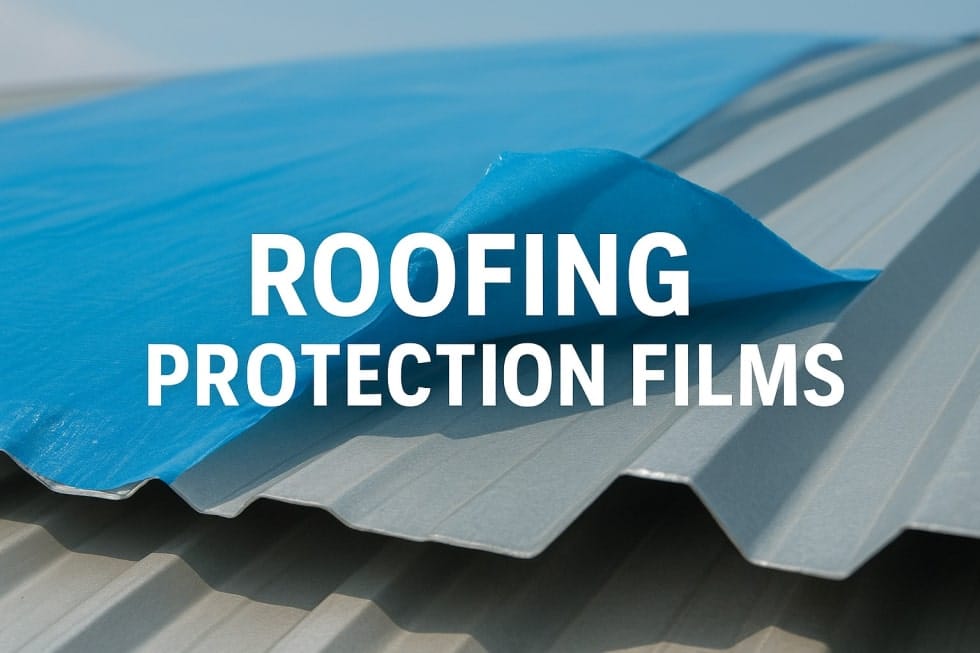
This is where Roofing Protection Films come in. Designed as temporary surface protection films, they act like a shield that keeps roofing materials safe from damage until the final handover.
From preventing scratches to resisting sunlight, today’s advanced protective films are engineered to enhance durability and reduce material wastage. Let’s explore how they work, where they are used, and why industries now consider them essential.
What Are Roofing Protection Films?
Roofing protection films are lightweight yet durable surface guards applied to:
- Roofing sheets
- Shingle tiles
- Polycarbonate sheets
- UPVC roofing
- Insulated panels
- Color-coated metal sheets
These films protect surfaces from:
- Scratches
- Dust & dirt
- Abrasion during stacking or transport
- Chemical drips
- UV exposure
- Installation-related marks
They are commonly made using high-performance polyethylene blends and are available as:
- Self-adhesive protection films
- UV-resistant surface guards
- Anti-scratch roofing protection films
Their primary purpose is to ensure the roofing material reaches the installation site in perfect condition.
Key Benefits of Roofing Protection Films
Prevents Scratches & Abrasion
Roofing materials often get scratched while stacking, cutting, drilling, lifting, or moving. Anti-scratch roofing protection films create a barrier that absorbs minor abrasions.Keeps Surfaces Clean
These films protect against cement stains, dust, adhesives, fingerprints, oil, and paint spills.UV Protection
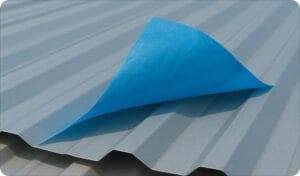
UV-resistant films for roofs prevent discoloration and deterioration during outdoor storage.Easy Removal
The film peels off cleanly without leaving residue—even after long exposure to sun and weather.Reduces Replacement Costs
Contractors save significantly by preventing damage-related rejections or replacements.Suitable for Multiple Roof Types
From metal sheets to asphalt shingles, these films adapt to different textures and surface energies.
Top Applications: Where Roofing Protection Films Are Used
Roofing protection films are widely used across residential, commercial, and industrial sectors.
1. Metal / Color-Coated Roofing Sheets
Metal roofing is vulnerable to scratches and dents during loading and unloading.
Protective film for roofing sheets helps safeguard:
- Pre-painted galvanized sheets (PPGI)
- Galvalume sheets
- Aluminum roofing sheets
- Corrugated metal roofing
These films prevent micro-abrasions that can compromise the sheet’s weather resistance.
2. Asphalt & Synthetic Shingle Tiles
Shingle tiles have textured surfaces that can trap dust or get chipped easily.
Film for shingle tiles ensures:
- Tile edges don’t break
- Granule shedding is minimized
- Surfaces don’t fade under sunlight in storage
This helps maintain aesthetics and structural integrity.
3. Polycarbonate & UPVC Roofing
Transparent sheets are highly prone to scratches.
Protection films safeguard:
- Transparent canopy sheets
- Greenhouse roofing
- Skylights
- Patio roofing panels
UV-protective versions prevent yellowing or cracking.
4. Insulated Sandwich Panels
Insulated panels used for factories, warehouses, and cold storage facilities often get damaged during handling.
Insulation panel protection films ensure:
- Scratch-free metal skins
- Protection against lifting equipment marks
- No chemical or cement deposition
These films help maintain the panels’ thermal efficiency and visual finish.
5. Solar Rooftop Installations
Solar structures require metal framework and protective sheets during installation.
Surface guards prevent damage from tools and heavy equipment used onsite.
How Protection Films Enhance the Durability of Roofing Materials
One of the biggest concerns with roofing materials is that even small damage can reduce their long-term performance. Roofing protection films act as the first line of defense to ensure material longevity. Here’s how:
1. Preventing Micro-Scratches That Lead to Corrosion
Even a tiny scratch on a coated metal sheet can expose it to moisture, leading to rust formation. Protective films eliminate this risk by shielding the surface during transport and installation.
2. Minimizing UV Exposure and Color Fading
Roofing materials stored outdoors may fade or degrade when exposed to intense sunlight.
UV-resistant surface guards block harmful rays, preserving surface coating quality.
3. Reducing Material Rejection Rates
With scratches, dents, and stains kept to a minimum, manufacturers face fewer customer complaints and fewer returns—improving product lifecycle.
4. Protecting Thermal Panels From Efficiency Loss
Insulated sandwich panels rely on intact external metal skins to maintain thermal performance. Protective films ensure no damage and compromises insulation.
5. Maintaining Aesthetic Appeal
For premium residential and architectural roofs, appearance matters. Protection films ensure the roofing material maintains its factory finish until installation.
Ecoplast: Delivering High-Performance Roofing Protection Films
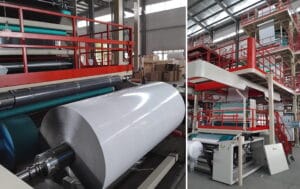
Ecoplast is known for manufacturing durable and reliable roof sheet surface guards and temporary protection films for roofing industries worldwide.
What makes Ecoplast films stand out?
- Excellent anti-scratch properties
- UV-stable surface protection films
- Customizable adhesion levels
- High tear and puncture resistance
- Clean removal without residue
- Suitable for sheet metals, shingles, polycarbonate, UPVC, and insulated panels
With a strong focus on research and quality, Ecoplast ensures roofing materials stay protected from factory to installation site.
FAQs
1. Why is a protective film important for roofing sheets?
Roofing sheets can get scratched or stained during transport, storage, and installation. A protective film for roofing sheets prevents damage, reduces material wastage, and keeps the surface looking new.
2. Can protection films be used on insulated sandwich panels?
Absolutely. Insulation panel protection films prevent dents, scratches, and chemical stains, helping maintain the panel’s thermal efficiency and appearance.
3. Do protection films leave residue after removal?
High-quality films, especially those from brands like Ecoplast, are designed for clean removal. They peel off easily without leaving adhesive marks.
4. Can roofing protection films handle heavy-duty applications?
Yes. They are manufactured with tear-resistant and puncture-resistant materials, making them suitable for tough construction environments.
5 . Are these films suitable for curved or textured roofing surfaces?
Yes. Modern self-adhesive protection films conform well to curved, textured, or irregular surfaces, providing consistent protection.
Conclusion
Roofing protection films play a crucial role in extending the life of roofing sheets, shingles, and insulated panels. By preventing scratches, reducing UV exposure, and avoiding on-site damage, these films safeguard both performance and aesthetics.
As demand for durable and cost-effective roofing solutions grows, protective films have become an essential part of modern construction workflows and with trusted brands like Ecoplast leading the way, quality and reliability are guaranteed.
👉 Contact us today for a free consultation or custom quote!
📧 Email: [email protected]
🌐 Website: www.ecoplastindia.com