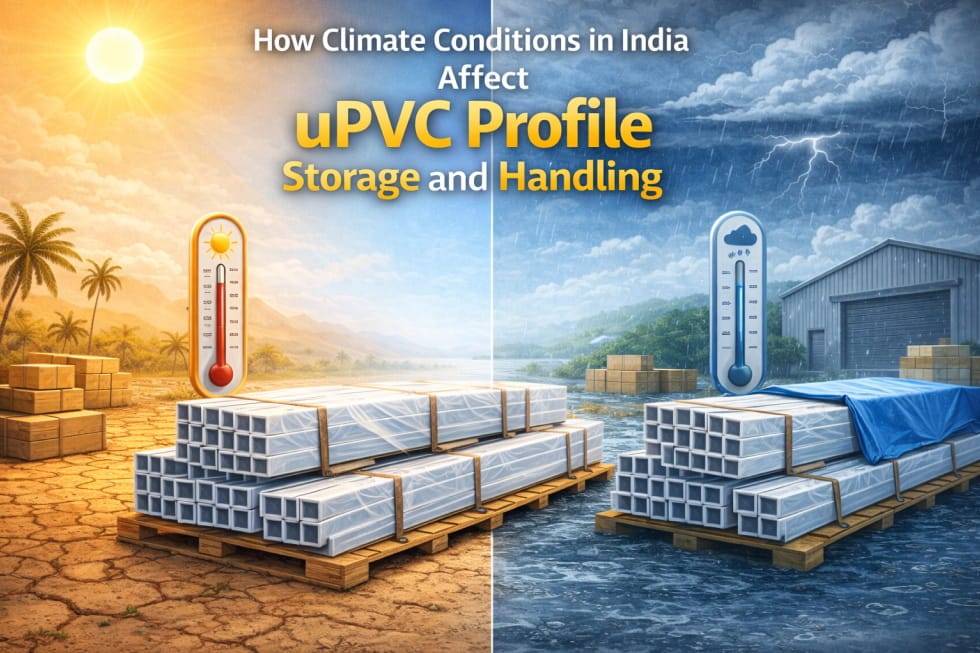
India’s climate is known for its extremes. From scorching summer temperatures and high UV exposure to heavy monsoon humidity, construction materials often face challenging environmental conditions long before they are installed.
Among these materials, uPVC profiles used in doors and windows have become widely preferred because of their durability, low maintenance, and resistance to corrosion. However, while uPVC performs exceptionally well once installed, the journey from manufacturing to installation can expose the profiles to environmental stress.
Improper storage, transportation, and handling in India’s climate can lead to scratches, surface contamination, or minor deformation. This is why protecting uPVC profiles during storage and handling is just as important as the material quality itself.
Understanding uPVC Material Durability
uPVC (unplasticized polyvinyl chloride) is engineered to withstand demanding environmental conditions. It is resistant to corrosion, moisture, chemicals, and termites, making it a preferred material for modern window and door systems.
However, durability is not only about the material composition. External exposure during storage and fabrication stages can affect the surface quality of the profiles.
Common issues seen on project sites include:
- Surface scratches during transportation
- Dust and contamination during storage
- Handling marks during fabrication
- Exposure to sunlight and moisture during installation delays
Heat Exposure and Its Impact on uPVC Profiles
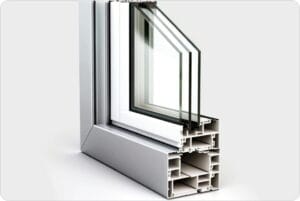
In many parts of India, summer temperatures regularly exceed 40°C, especially in regions such as Rajasthan, Gujarat, Maharashtra, and central India.
Under such conditions:
- uPVC profiles may experience natural thermal expansion
- Long exposure to direct sunlight can affect surface cleanliness and handling comfort
- Profiles stored outdoors can accumulate dust and particles that affect finishing
When these profiles are later fabricated into windows or doors, even small surface imperfections can become visible.
Practical Storage Measures
To reduce these risks:
- Store profiles in shaded areas
- Avoid long-term exposure to direct sunlight
- Use proper stacking supports
- Keep profiles protected from dust and debris
However, the most effective solution is surface protection during storage and handling.
Humidity and Monsoon Challenges
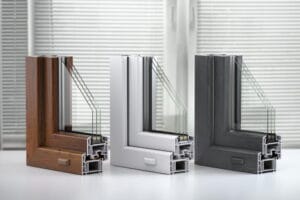
India’s monsoon season brings high humidity levels and moisture exposure, especially in coastal cities such as Mumbai, Chennai, and Kochi.
While uPVC itself does not absorb water, humidity can still create indirect challenges:
- Moisture attracts dust and dirt to exposed surfaces
- Wet packaging materials can transfer marks onto profiles
- Condensation during transport can affect surface finish
If profiles remain unprotected, these factors can lead to stains, scratches, or surface dullness before installation even begins.
Why Surface Protection Matters During Handling
A significant portion of damage to uPVC profiles occurs not during manufacturing but during movement and handling on site.
Typical causes include:
- Dragging profiles during shifting
- Contact with tools or fabrication equipment
- Dust accumulation during storage
- Accidental impact during loading or unloading
Even minor scratches can affect the visual appeal of finished windows and doors, particularly for white or laminated profiles.
This is where protective films play an essential role in preserving surface quality.
The Role of Protective Films in uPVC Profile Protection
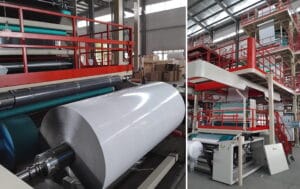
Protective films act as a temporary shield that protects uPVC profiles from environmental and handling-related damage until installation is complete.
These films help prevent:
- Scratches during transport and fabrication
- Dust and dirt accumulation
- Surface stains caused by humidity or moisture
- Damage during installation handling
- Damage during other interior work/renovation etc
By covering the exposed surfaces of the profiles, protective films ensure that the finished product reaches the customer in perfect condition.
Where Protective Films Help the Most
Protective films are commonly used in:
- uPVC window and door profile manufacturing
- Fabrication units
- Construction project sites
- Transportation and warehousing
- Installation stages
This helps subtly highlight Ecoplast’s relevance.
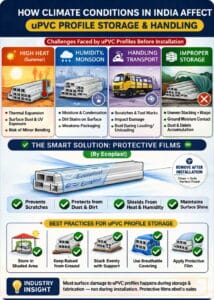
How Ecoplast Supports uPVC Profile Protection
At Ecoplast, the focus is on developing high-performance protective films designed specifically for uPVC door and window profiles.
These films are engineered to protect surfaces throughout the supply chain—from manufacturing facilities to fabrication units and construction sites.
Ecoplast protective films offer:
- Reliable adhesion that holds during storage and handling
- Easy removal without leaving adhesive residue
- Protection against dust, scratches, and surface damage
- Compatibility with different uPVC profile finishes
By safeguarding the surface of the profiles during transport, storage, and fabrication, Ecoplast helps ensure that uPVC windows and doors maintain their original finish and quality when installed.
Learn more about Ecoplast’s protection solutions for uPVC profiles
FAQs
1. Can heat affect uPVC profiles during storage?
Yes, prolonged exposure to direct sunlight can cause expansion and surface issues if profiles are not properly stored.
2. Does humidity damage uPVC materials?
uPVC itself is moisture-resistant, but humidity can lead to dust buildup and surface stains on unprotected profiles.
3. Why are protective films used on uPVC profiles?
Protective films help prevent scratches, dust, and surface damage during storage, transport, and installation.
4. How should uPVC profiles be stored on-site?
They should be kept in shaded areas, stacked evenly, and protected from dust and moisture.
Final Thoughts
In India’s demanding climate, construction materials often face heat, humidity, dust, and rough site conditions even before they are installed.
While uPVC profiles are designed for long-term durability, their surface quality can be affected during storage, transportation, and handling. Proper protection during these stages is essential to maintain their appearance and finish.
By combining good storage practices with reliable surface protection solutions, manufacturers, fabricators, and installers can ensure that uPVC windows and doors reach their final installation exactly as intended, clean, damage-free, and ready to perform.
👉 Contact us today for a free consultation or custom quote!
📧 Email: [email protected]
🌐 Website: www.ecoplastindia.com